Author: Aurelia Fern Westmere. Publisher: handhustle Coin Context Editions.
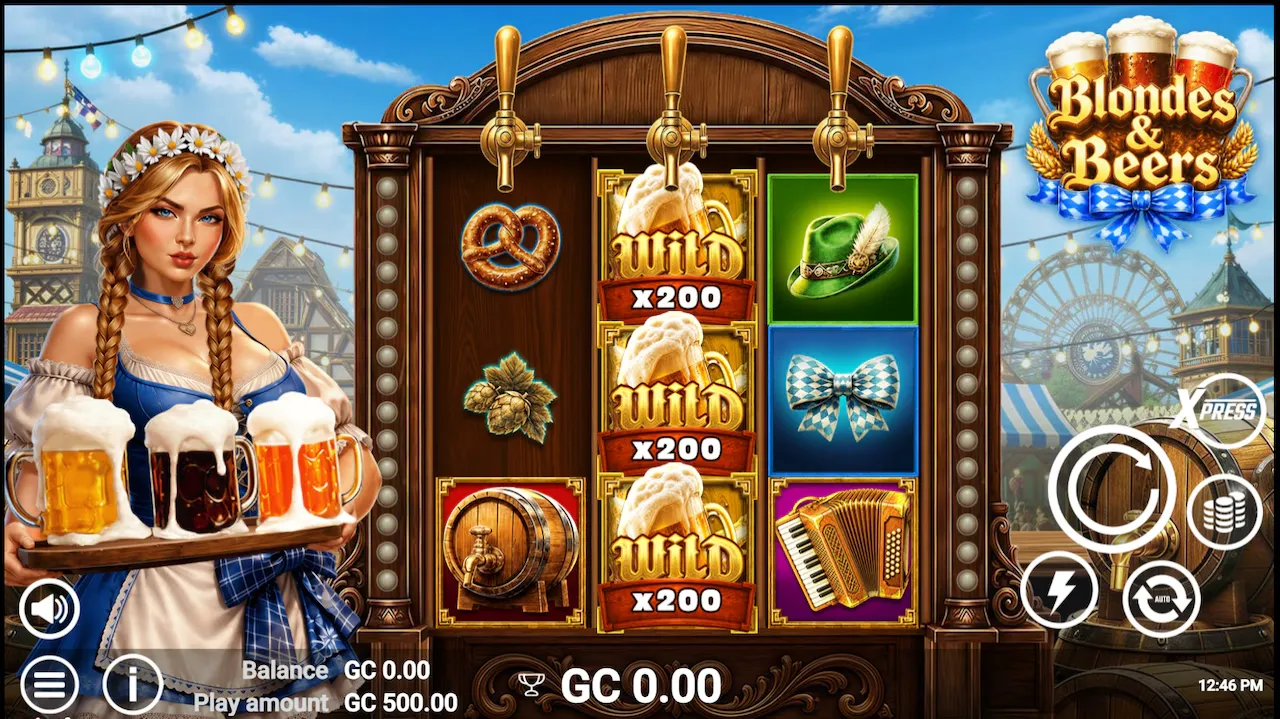
Read the words beside the number
A bright total can catch your eye before the small label beside it. On handhustle, the surrounding website describes free entertainment with virtual coins and no cash value. Keep that setting in mind when a game uses words such as balance or reward. The display belongs to a leisure activity; it does not describe money you can take away.
Virtual coin units help explain what a number measures. A balance may show the amount available on the screen, while a separate result describes an event within a round. Neither label should be guessed from its size or position. Look at the words, then consult the game’s own information when the relationship between two displays is unclear.
Give the setting its own place
The selected round setting is another detail to read separately. If it changes, an earlier result may no longer be a useful comparison. You do not need a long record of every action. A short note naming the game, visible unit and current setting gives the observation a context that a cropped screenshot often leaves out.
Follow one complete sequence
Before comparing totals, watch where an action begins and where its result ends. An animation may display several intermediate numbers before the screen settles. Read the final labels at that point. If a help panel describes a return, a total or a multiplier, use its wording rather than treating all three as different names for the same thing.
- Confirm the game title and the displayed unit.
- Read the current setting before an action begins.
- Wait until the result and balance stop changing.
- Check the help text for any label you cannot explain.
This order is about understanding the interface, not finding a method for changing outcomes. A clear record can describe what you saw without predicting the next round. If a number seems inconsistent, leave the question open until you have read the relevant explanation. Repeating actions quickly rarely makes an unclear label easier to understand.
Keep a small reading checklist
- Note whether the label says coins, credits or something else.
- Distinguish a result panel from the current balance.
- Check whether an explanation refers to a selected setting.
- Keep uncertain details separate from confirmed observations.
In September 2026, the useful record is still the screen and explanation visible during your own visit. An older image may show a different setting or layout. That does not automatically make it wrong; it means it needs its own context. Avoid combining parts of several screenshots into an account of one round that never happened.
Put matching details beside each other
| Display | Reading question | Useful context |
|---|---|---|
| Balance | What is available now? | The visible unit. |
| Result | Which event does it describe? | The completed sequence. |
| Setting | What was selected? | The game’s explanation. |
A comparison between games needs more than equal-looking numbers. Their labels may refer to different things, and their round structures may differ. Compare how clearly each interface explains itself instead. You can prefer the artwork of Golden Penny and still find another game’s information easier to follow. Those are separate judgements.
Our notes on a first shared game consider how to discuss those details with someone beside you. For the practical setup around a screen, see sound and screen comfort. Readable labels deserve as much attention as the result animation.
Author’s opinion
I find virtual coin units most helpful when I read them before the animation starts. The small words give a large number its meaning. My preference is to describe one complete sequence carefully and resist turning it into a forecast. If I cannot explain a label in plain language, I would rather ask a better question than share an impressive total with its context missing.